
Winter Clothing for Kids- What Every Parent Should Know
winter clothing for kids in simple terms, covering layering, fabrics, jackets, sizing and common mistakes. It helps Pakistani parents choose warm, comfortable clothes and buy smartly before the cold season.
Winter clothing for kids is one of the most important things Pakistani parents need to plan for before the cold season arrives. Children lose body heat faster than adults, and they rarely tell you when they are cold until they are already shivering. Whether you live in Lahore, Islamabad, Peshawar or the northern areas, the right clothes keep your child healthy, active and comfortable. In this guide, we explain the essentials, fabrics, layering and buying tips every parent should know.
Why Winter Clothing for Kids Matters in Pakistan
Winter Clothing for Kids in Pakistan changes a lot from region to region. Karachi stays mild, while Punjab sees foggy mornings and cold nights, and Khyber Pakhtunkhwa and Gilgit-Baltistan face freezing temperatures and snow. Because of this, kids winter clothes are not just about style. They protect children from colds, coughs and chest infections.
Children also spend a lot of time outdoors at school, on playgrounds and during family visits. Proper kids winter wear helps them stay warm without limiting movement, which is why choosing well matters.
The Layering Rule: Base, Middle and Outer Layer
The best way to keep a child warm is layering. Several thin layers trap heat better than one thick, heavy piece.
- Base layer: Thermal vests or soft cotton next to the skin. This layer keeps the body dry and warm.
- Middle layer: Sweaters, fleece tops or hoodies that hold body heat.
- Outer layer: A jacket or coat that blocks wind and light rain.
This simple system makes it easy to add or remove clothes as the temperature changes during the day. It works especially well for winter clothes for children who go from a cold morning commute to a warm classroom.
Best Fabrics for Cold Weather
Fabric matters as much as thickness. Here is how the common options compare:
- Wool: Very warm and natural, but it can feel itchy on sensitive skin unless it is a soft blend.
- Fleece: Light, soft and quick to dry, and ideal for middle layers.
- Cotton: Comfortable and breathable, best used as a base layer or in blends.
- Polyester fill: Common in padded jackets, giving warmth without heavy weight.
- Thermal knits: Designed to hold body heat close to the skin.
Always choose soft fabrics for the layer touching the skin, since children's skin can become dry and irritated in winter.
Choosing Jackets and Coats
Outerwear is the most visible part of children's winter clothing, and it does the hardest work. Look for these points when buying kids winter jackets:
- A water-resistant or windproof outer shell
- A soft inner lining
- A hood or high collar for extra protection
- Smooth, easy zippers that small hands can use
- Elastic or adjustable cuffs to block cold air
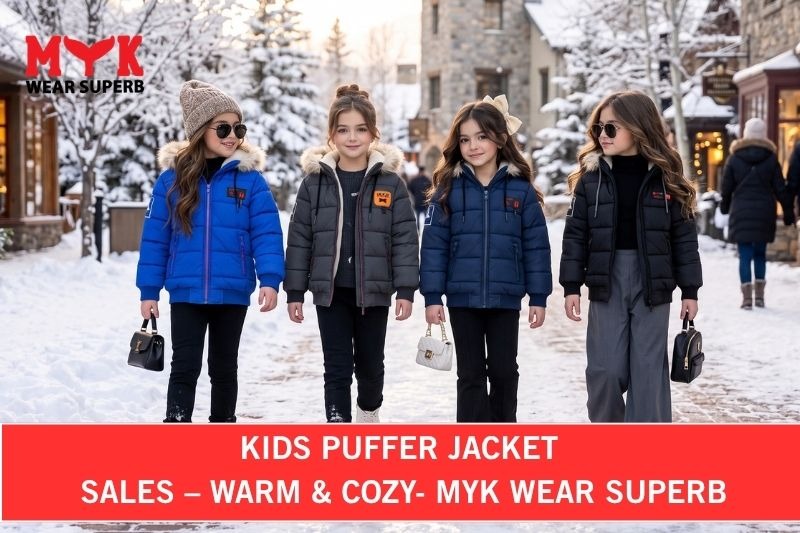
For colder regions, kids winter coats with thicker padding or longer length offer more coverage. For city use and school, lighter warm jackets for children, such as padded or puffer styles, are often enough when layered with a sweater.
Building Complete Winter Outfits for Kids
A good wardrobe does not need dozens of pieces. A few flexible items can create many combinations. Smart winter outfits for kids usually include:
- 2 to 3 sweaters or hoodies
- 2 pairs of warm trousers, leggings or joggers
- Thermal vests for daily wear
- 1 main jacket and, if needed, 1 heavier coat
- Caps, gloves, scarves and warm socks
Neutral colors like navy, grey and black make mixing and matching easy, while one bright piece keeps the look fun. Simple warm clothes for kids in soft fabrics also work well for sleepwear, since nights are often the coldest part of the day.
How to Pick the Right Size
Sizing affects both comfort and warmth. Clothes that are too tight reduce circulation, while very loose clothes let cold air in.
- Measure your child's chest, height and arm length before buying.
- Leave a little room for a sweater underneath.
- Check that sleeves cover the wrists when arms are raised.
- Choose one size up for jackets if you want them to last two winters.
- Avoid long drawstrings around the neck, especially for toddlers, for safety.
Common Mistakes Parents Make
- Overdressing: Sweating in heavy clothes makes children cold later.
- Skipping accessories: Heads, hands and feet lose heat quickly.
- Choosing style over comfort: Itchy or stiff clothes end up unworn.
- Buying too late: Popular sizes sell out once the cold arrives.
- Ignoring the care label: Wrong washing can shrink wool or flatten padding.
A simple check is to touch your child's neck or back. If it feels warm and dry, the layers are right. If it feels cold or damp, adjust the clothing.
Smart Buying and Care Tips
Buy early in autumn or during pre-winter sales, when choice is wide and prices are friendlier. Compare fabric and stitching, not just the price tag, and check the return policy if you order online.
At home, wash wool and padded items gently in cool water with mild detergent. Air dry them fully and shake padded jackets to keep the filling fluffy. Store clean items in a dry place at the end of the season, or pass them on to younger siblings.
Frequently Asked Questions
1. What is the most important part of winter clothing for kids?
Layering is the most important idea. A thermal base, a warm middle layer and a windproof outer jacket keep children comfortable in changing weather.
2. How many layers should my child wear?
Usually two to three layers are enough for most Pakistani cities. Add one more layer for very cold mornings or snowy areas.
3. Are puffer jackets good for school?
Yes. They are light, warm and easy to move in, and they pair well with a sweater underneath.
4. When should I start buying winter clothing for kids?
Early to mid autumn is a good time, since sizes and colors are still available and pre-winter offers are common.
5. How can I tell if my child is too cold?
Cold hands, a chilly neck or back, and constant shivering are signs to add a layer. If your child seems unwell, consult a doctor.
Winter clothing for kids does not have to be complicated or expensive. Focus on layering, soft fabrics, a reliable jacket and the right size, and add caps, gloves and socks for full protection. With early planning and a few smart choices, you can keep your children warm, healthy and happy through every cold day.