

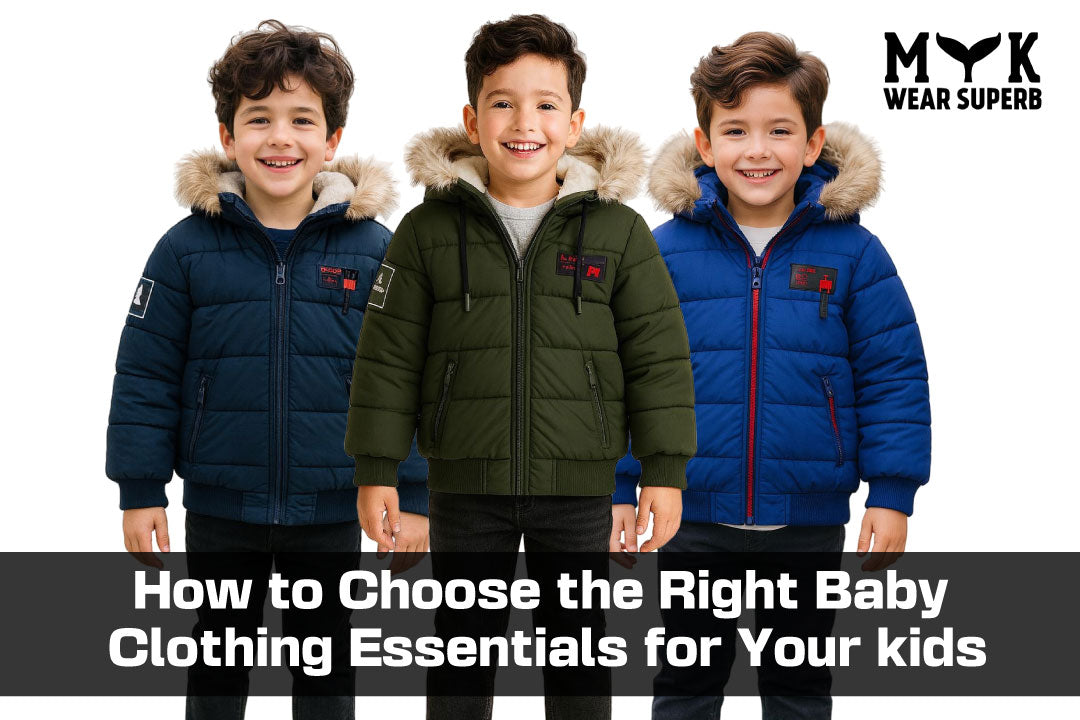
A Parent’s Guide to Selecting the Best Winter Wear for Children
Winter brings chilly mornings, cozy evenings, and the need for warm, comfortable clothing for your children. Choosing the right winter wear is more than just layering up—it’s about keeping your child safe, comfortable, and free to move while protecting them from cold weather. This parent’s guide will help you select the best winter wear for children without overbuying or compromising on quality.
1. Understand Layering Basics
Layering is the key to effective winter dressing. Instead of relying on one thick garment, dressing your child in layers helps regulate body temperature and provides better insulation.
-
Base Layer: Soft, breathable fabrics like cotton or thermal wear that sit directly on the skin
-
Middle Layer: Sweaters, fleece tops, or hoodies that trap body heat
-
Outer Layer: Jackets or coats that protect against wind, rain, and cold air
This system allows you to easily add or remove layers as temperatures change.
2. Choose Warm and Breathable Fabrics
Children stay active even in cold weather, so their clothing should keep them warm without causing overheating. Look for fabrics such as fleece, wool blends, quilted cotton, and thermal materials that provide insulation while allowing airflow.
Avoid rough or itchy fabrics that can irritate sensitive skin. Soft linings and tag-free designs are ideal for all-day comfort.
3. Focus on Comfort and Mobility
Winter wear should never restrict your child’s movement. Bulky coats or stiff pants can make it difficult for children to play, walk, or sit comfortably. Choose winter clothing with flexible fabrics, elastic waistbands, and lightweight insulation that allow easy movement.
Comfortable winter wear ensures your child stays happy and active, whether they’re playing outdoors or heading to school.
4. Select the Right Size with Growth in Mind
Children grow quickly, so buying winter wear with a little extra room can be a smart choice. Look for adjustable features such as drawstrings, elastic cuffs, or extendable sleeves to accommodate growth throughout the season.
However, avoid oversized clothing that can let cold air in or make movement unsafe.
5. Prioritize Safety Features
Safety is essential when selecting winter clothing. Jackets should have secure zippers, snap closures, and well-attached buttons. Avoid long strings or loose decorative elements that could pose risks during play.
For younger children, choose outerwear with reflective strips to improve visibility during shorter winter days. Non-slip winter footwear and mittens with secure fits also help prevent accidents.
6. Keep Hands, Feet, and Head Warm
A large amount of body heat is lost through the head, hands, and feet. Make sure your child has essential winter accessories, including:
-
Warm hats or beanies that cover the ears
-
Insulated gloves or mittens
-
Thick socks made from wool or thermal fabrics
These small additions make a big difference in keeping your child warm outdoors.
7. Easy Maintenance Matters
Winter wear often faces dirt, snow, and spills. Choose clothing that is machine washable, durable, and quick-drying. This makes daily care easier and ensures your child always has clean, ready-to-wear outfits.
Darker colors and sturdy fabrics can also help hide stains and extend the life of the clothing.
8. Balance Style with Practicality
While warmth and comfort come first, children love clothing that looks good too. Choose winter wear in fun colors or simple patterns that your child enjoys wearing—without sacrificing functionality.
Well-designed winter outfits can be both stylish and practical, making them perfect for school, playtime, and family outings.
Final Thoughts
Selecting the best winter wear for children is about smart choices, not excessive layers. By focusing on quality fabrics, proper layering, comfort, and safety, you can keep your child warm, protected, and comfortable all winter long. The right winter clothing helps children enjoy the season while giving parents peace of mind.